

When it involves managing sure health conditions, medicine is usually a vital part of the treatment plan. One such medication is carvedilol, which is commonly prescribed for various heart-related conditions. Carvedilol is a beta-blocker that helps to lower blood strain, enhance heart operate, and cut back strain on the heart. It is usually prescribed in a dosage of 6.25 mg, however can vary relying on particular person wants. Understanding the significance of medication, it is equally essential to recognize the potential interactions that certain meals can have with carvedilol. In this article, we are going to discover the foods to keep away from when taking carvedilol to make sure its optimal effectiveness and reduce any potential dangers or side effects. So, if you're presently taking carvedilol or considering it, read on to study extra in regards to the dietary precautions that may help your therapy journey.
1. Foods to Avoid with Carvedilol
When taking carvedilol 6.25 mg, it could be very important be conscious of sure foods which will interact with this treatment. Carvedilol is commonly used to treat situations similar to high blood pressure and coronary heart failure. To ensure the effectiveness of carvedilol and avoid any potential negative results, it is recommended to avoid the next foods:
Grapefruit and Grapefruit Juice: Grapefruit and its juice contain compounds that may intervene with the metabolism of carvedilol in the body. This could lead to elevated ranges of the medicine within the bloodstream, probably causing opposed results. It is advisable to keep away from consuming grapefruit or ingesting grapefruit juice while taking carvedilol.
High-Fat Foods: Foods that are high in fats content material ought to be consumed sparingly when taking carvedilol. High-fat meals can delay the absorption of the medicine, resulting in reduced effectiveness. It is best to go for low-fat options and maintain a balanced food regimen to make sure the proper functioning of carvedilol.
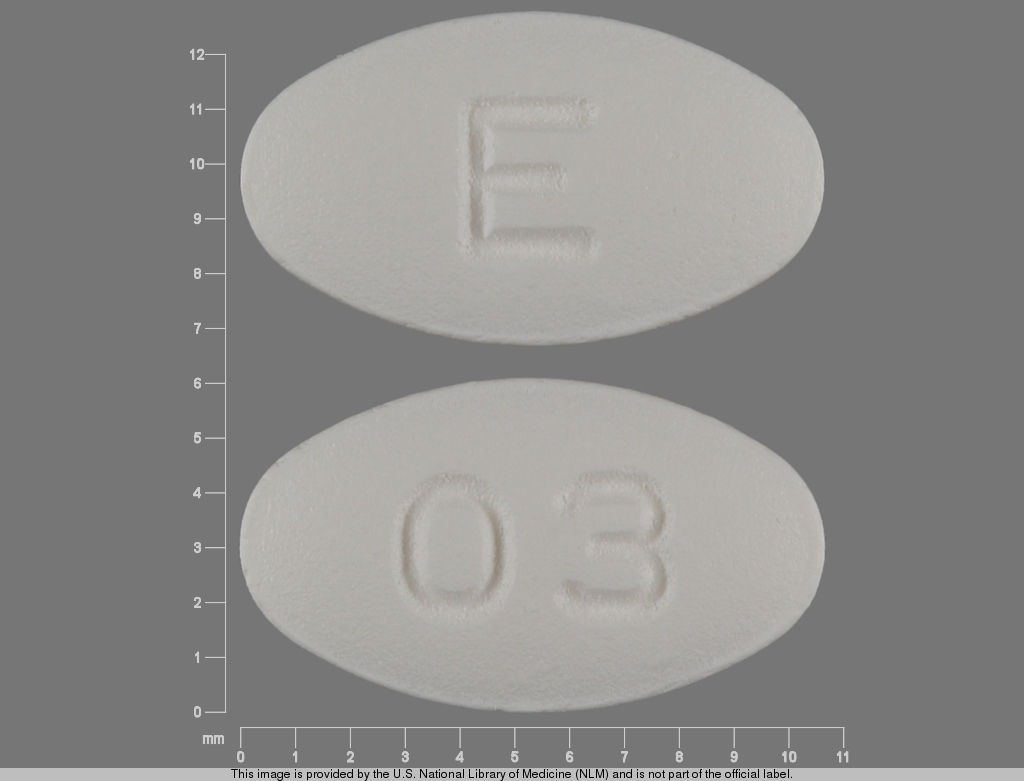
Salt-Rich Foods: Carvedilol is commonly prescribed to manage circumstances associated to heart health, such as hypertension and coronary heart failure. Therefore, it is advisable to limit the consumption of meals high in salt or sodium content. Excessive salt intake can result in water retention and elevated blood strain, counteracting the consequences of carvedilol.
By avoiding grapefruit and grapefruit juice, limiting high-fat foods, and lowering salt intake, you can help ensure the efficacy of carvedilol and optimize its advantages in managing your condition. It is essential to seek the assistance of along with your healthcare supplier or a registered dietitian for customized advice on sustaining a healthy diet while taking carvedilol.
2. The Role of Carvedilol in Cardiovascular Health
Carvedilol, commonly prescribed at a dosage of 6.25 mg, is a medication used for managing varied cardiovascular conditions. It belongs to a class of medicine generally known as beta blockers and works by blocking certain receptors within the coronary heart and blood vessels. By doing so, carvedilol helps to regulate coronary heart rhythm, decrease blood strain, and reduce the workload on the center.
One of the first uses of carvedilol is in the therapy of coronary heart failure. It is commonly prescribed to individuals with decreased cardiac function to enhance symptoms, improve train tolerance, and prevent hospitalizations. Carvedilol has been proven to have beneficial effects on heart cells, leading to improved coronary heart perform over time.
Additionally, carvedilol is regularly prescribed for those with high blood pressure, also called hypertension. By blocking the receptors that respond to stress hormones like adrenaline, carvedilol helps relax and widen blood vessels, thus decreasing blood strain ranges. This can effectively reduce the risk of cardiovascular occasions corresponding to heart attacks and strokes.
In abstract, carvedilol plays a vital position in cardiovascular well being by regulating coronary heart rhythm, lowering blood stress, and enhancing heart function. It is commonly prescribed for coronary heart failure and hypertension, enabling patients to manage their condition and improve their total high quality of life.
3. Carvedilol: Uses, Dosage, and Precautions
Carvedilol is a medication generally prescribed by doctors to handle various heart and blood stress situations. It is normally taken in the type of tablets, with a standard dosage of 6.25 mg. Foods to Avoid When Taking Carvedilol of carvedilol is to treat heart failure, hypertension, and certain kinds of chest pain.
Carvedilol acts by blocking sure receptors within the body, which ends up in a lowering of coronary heart price and blood pressure. This can help cut back the workload on the guts and enhance its effectivity. Additionally, carvedilol has antioxidant properties that will contribute to its overall advantages for coronary heart well being.
However, earlier than beginning carvedilol, it's essential to seek the guidance of with a healthcare skilled to determine the appropriate dosage and guarantee it is protected to use in your particular case. This is especially important when you have a history of some other medical situations or if you're taking another medicines. It's important to observe your physician's instructions rigorously and not to adjust the dosage or stop taking carvedilol with out their steering.
In conclusion, carvedilol is a drugs commonly prescribed for heart and blood strain management. Understanding its makes use of, applicable dosage, and needed precautions is essential for its protected and efficient utilization. Always consult together with your healthcare supplier to make sure carvedilol is suitable for you and to obtain proper steering on its usage.